Understand the edge
Get clear on origins, cache hits, and how a content delivery network fits into your website.
Explore CDN essentialsUnderstand content delivery networks, build a smarter cache, and make every byte work harder. Practical guides for a faster, more resilient web.
Clear explanations Practical checklists Open standards
The right delivery decisions start with understanding the moving parts. Take them one useful idea at a time.
Get clear on origins, cache hits, and how a content delivery network fits into your website.
Explore CDN essentialsConnect caching, lighter images, and delivery choices to what visitors actually experience.
Build a faster experienceLearn how HTTPS, origin access, and traffic filtering work together at the network edge.
Explore edge securityNo single setting makes a fast website. Build a repeatable process around what your visitors need.
Use the CDN testing checklistLook at audience locations, page types, and the requests that matter. A useful plan begins with a real workload.
Separate reusable public files from personalized content. Match freshness rules to how the site is published.
Compare the same pages and conditions before and after a change. Keep browser performance and delivery performance in view.
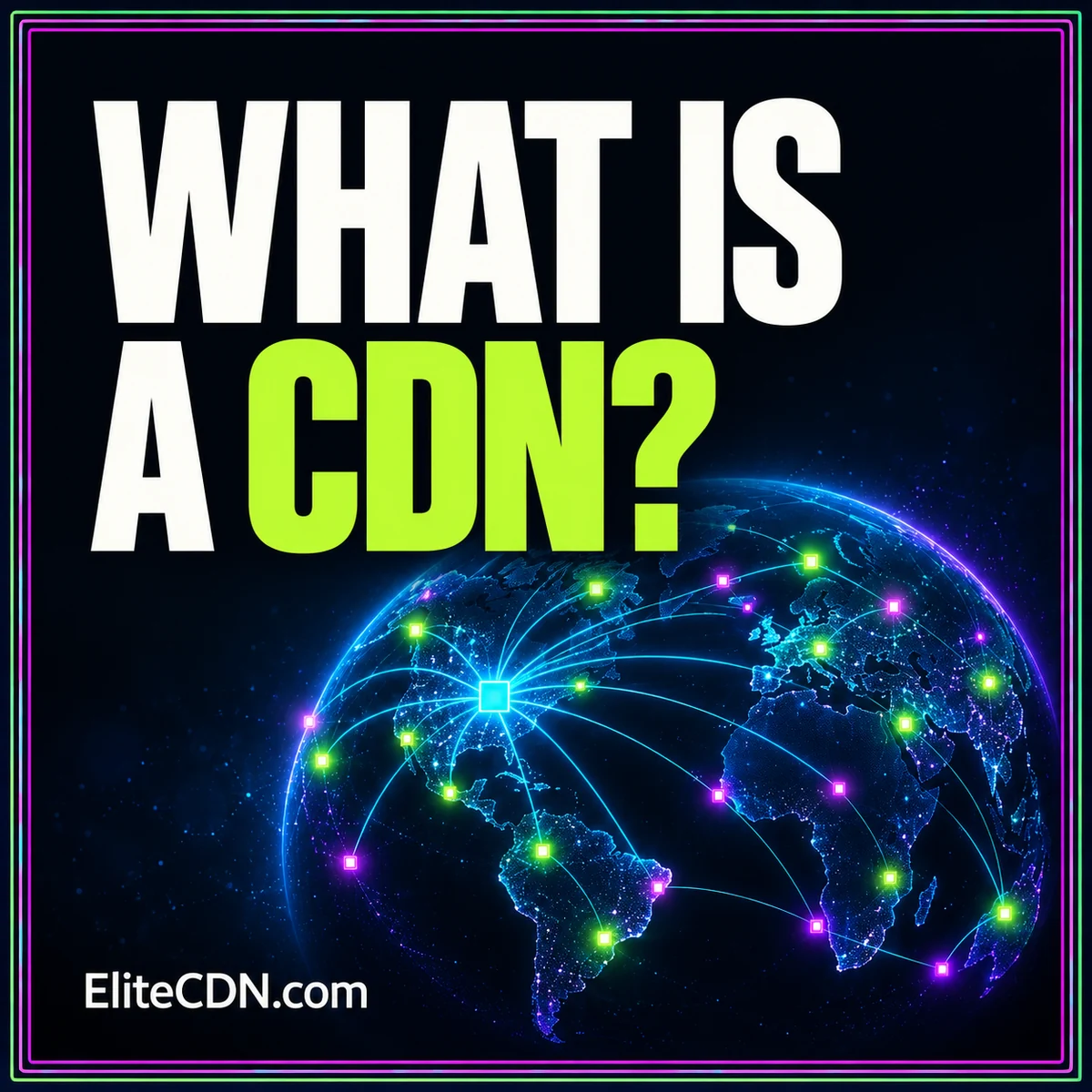
Follow a request from browser to edge and origin, then learn which content is safe to cache and what to verify before expanding CDN coverage.

Build safer cache policies with clear freshness windows, accurate validators, predictable cache keys, and practical checks for private responses.
Create a reliable image delivery workflow with responsive sources, intentional loading priority, visual quality checks, and predictable caching.
The fundamentals stay the same. Your content, publishing process, and personalisation determine the details.
Bring images and assets closer to readers while keeping administration, checkout, and account pages out of shared caches.
Read the WordPress & CMS guideMake HTML freshness, versioned assets, and a reliable release process work together for a straightforward static deployment.
Explore static website deliveryNew to content delivery? These are useful places to begin.
A content delivery network (CDN) is a distributed layer that delivers content between your origin and your visitors. A cached public file can be reused at an edge location, reducing repeat work at the origin. Read the CDN introduction.
An origin still has to store or generate the content. Some platforms bundle hosting and delivery, but the roles remain useful to distinguish. Compare a CDN with web hosting.
Results depend on the workload, cache settings, visitor network, and browser work. A CDN can help with delivery, but it does not remove oversized JavaScript or fix every layout problem. See where Core Web Vitals fit.
Both can benefit from thoughtful delivery settings. WordPress requires special care around logins, carts, and other personalized pages. Static sites need a clear publishing and asset-versioning policy. Explore WordPress and CMS guidance.
Start with the CDN essentials, then use the testing checklist to document your baseline. If you already understand the basics, the caching guides make a practical next step. Open the CDN testing checklist.